Monday, July 19, 2021

Moores Art Gallery Colored Pencil Impressed Line Technique & Sgraffito


Colored Pencil Tips & Techniques:

Impressed Line & Sgraffito
It's All About Colored Pencils!


The impressed line technique is used to achieve fine white lines, such as whiskers, wispy hairs, details in flowers and leaves, and so on, by using a blunt object such as a wooden stylus to make indentations or impressions onto the surface of the paper. Once you start to apply layers of color over the impressed lines, the impressed lines of the paper will become visible.

Impressed Line tips:

  • Be certain that the instrument you use has no sharp point, as it will tear the paper's surface.
  • Make sure you mark the impressed line areas on your paper first before applying any colors.
  • You can apply layers of a light color first, then make your impressed line over that layer of color.
  • You may add light layers of color to the groove later if you wish.
  • You can also create impressed lines with a white or light-colored pencil, revealing an impressed line of the colored pencil used instead of the color of the paper.
  • Impress or indent your lines carefully, maintaining the same constant pressure throughout the length of the whisker or hair.
  • Decrease pressure or indentation near the tip or end of the whisker or hair to suggest realism.
Sgraffito Technique

Sgraffito is a technique in which you carefully scratch the surface of the paper with an X-Acto knife or a similar tool to expose a layer of color beneath the first layer of color. To accomplish this technique, you must add several layers of colors, then take the X-Acto knife and scrape away the top layer to reveal colors underneath. Be very careful while scraping away the layers of colors so that you do not damage the surface of the paper. Brush away any debris from the surface of the paper so the debris doesn't smear onto the surface. This technique can be used to create whiskers, wispy lines of hair, other minute detail, and textures.


Keep on Creating!


Saturday, July 10, 2021

Moores Art Gallery Blending, Burnishing and Layering Colored Pencils

Colored Pencil Tips & Techniques:

Blending, Burnishing, and Layering


It's All About Colored Pencils!


Blending 

Blending is the process of layering colors and merging the layers of colors together by using layering techniques and or using a combination of blending tools. As a result, you can achieve rich photo-realistic type works.

Some Tips On Blending

  • To blend colors try using a stump or tortillion. Tortillions come in 3 sizes: small, medium, and large. Stumps are very similar to tortillons but are much bigger. Blend the colors in a circular motion. Make sure you keep the tips clean if you are using them to blend selective colors.
  • Colored Pencil Artist, Linda Lucas Hardy uses a dry brushing technique for blending her layers of color. She applies multiple layers of colored pencil gradually, using up to heavy pressure, and then takes a stiff-bristle paintbrush or pastel brush, no longer than 1/2 inch, and blends the colors together.
  • Colored pencil artist Ester Roi has invented the Icarius Drawing Board. The board has a warm side and a cool side. The warm side of the board is used for mixing, blending, and burnishing layers of colors. You use the cool side of the board to work on the details and other layering techniques.
  • The colorless blender pencil is a very effective and valuable tool for blending colors, creating rich, vibrant colors, or giving layers of color a polished look. The colorless blender pencil base consists of either a non-pigmented wax or non-pigmented oil-wax that blends and burnishes the colored pencil pigment. I have used the following four colorless blender pencils to blend colors and to help in completing finishing touches on detailed areas: Prismacolor's blender pencil (PC 1077), Lyra's Rembrandt Splender Blender, Derwent Blender, and Caran d'Ache Full Blender-Bright.

Burnishing

Burnishing with colored pencils can create a beautiful rich glazed look. Burnishing is the process of layering multiple colors and then applying heavy pressure with a light-color pencil or with an artist tool. The wax then melds together and causes the drawing surface to become slick, filling up the entire tooth of the paper's surface. 
For example, after layering several colors, apply heavy pressure with Prismacolor Cloud Blue . Repeat the process again if necessary until a polished or vivid effect is achieved. Burnishing is ideal for creating sparkling glass, polished surfaces, and metals. If you intend to burnish your drawing, make sure you wait until the end, as burnishing will take all the tooth out of the paper.


Some Tips On Burnishing


  • By burnishing with specific colors, you can achieve various effects, such as burnishing with Prismacolor Pale Ochre, you can give the illusion of an aged or antique look.

  • Try using a metal scoop part of a ceramic clean-up tool, a spoon, or any other smooth metal device and apply heavy pressure in circular-like motions to the colored layers to be burnished.

  • Burnish light areas first so that the dark pigment fragments do not land on unwanted areas on the surface of the paper.

  • Burnish colors by using a stump or tortillion. Blend the colors in a circular motion while applying heavy pressure. Make sure you keep the tips clean if you are using them to blend selective colors.

Layering

Layering is the process of gradually building layers upon layers of colors using light to medium pressure to create different colors, values and hues. It can give your works an illusion of depth, can deepen colors, can modify colors, and can even give your work an impression of light or luminosity.


Some Tips On Layering

  • Layer colors using crosshatch, horizontal, diagonal, vertical, or circular strokes. Start with a single light layer of color, then keep adding different layers of color on top of one another, using light to medium pressure, until the desired results are achieved

Keep on Creating!


Monday, July 5, 2021

Moores Art Gallery Vertical Line Technique


Colored Pencil Tips & Techniques:

Vertical Line Technique


It's All About Colored Pencils!


The vertical line technique is a technique that colored pencil artist Ann Kullberg created by placing a vertical line stroke next to another continuously and consistently on the surface of a paper. A great technique for achieving photo-realistic skin tones and texture.


The Vertical Line technique example above was created using layers of dark green and applying light pressure to heavy pressure.


I completed the portrait above at one of Ann Kullberg's workshops. It was my very first attempt at drawing a portrait, using the vertical line technique. I didn't quite get a chance to finish it, but I was able to get more photo realistic than I have ever before in drawing a subject. I highly recommend her workshops - you will learn a lot!

Ann also has some great portrait tools and kits to get your started on learning the vertical line technique.


In addition Ann's book Colored Pencil Portraits Step by Step is a must have to add to your colored pencil library collection.


Keep on Creating!


Saturday, June 26, 2021

Fort Walla Walla, Nez Perce National Historical Park and Update on Colored Pencil Artwork


Last week we traveled to central Idaho and got to see some great stops along the way. 
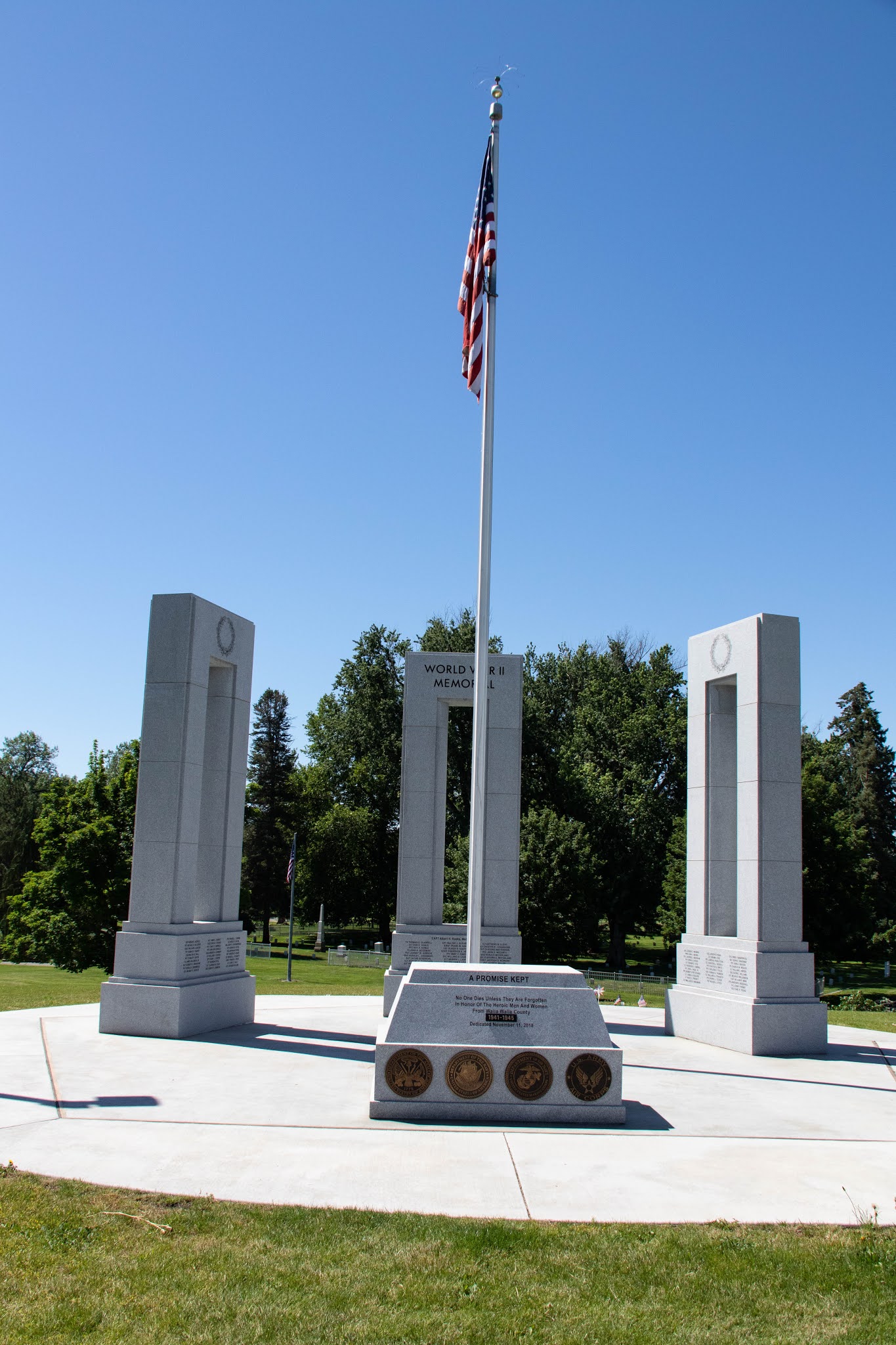
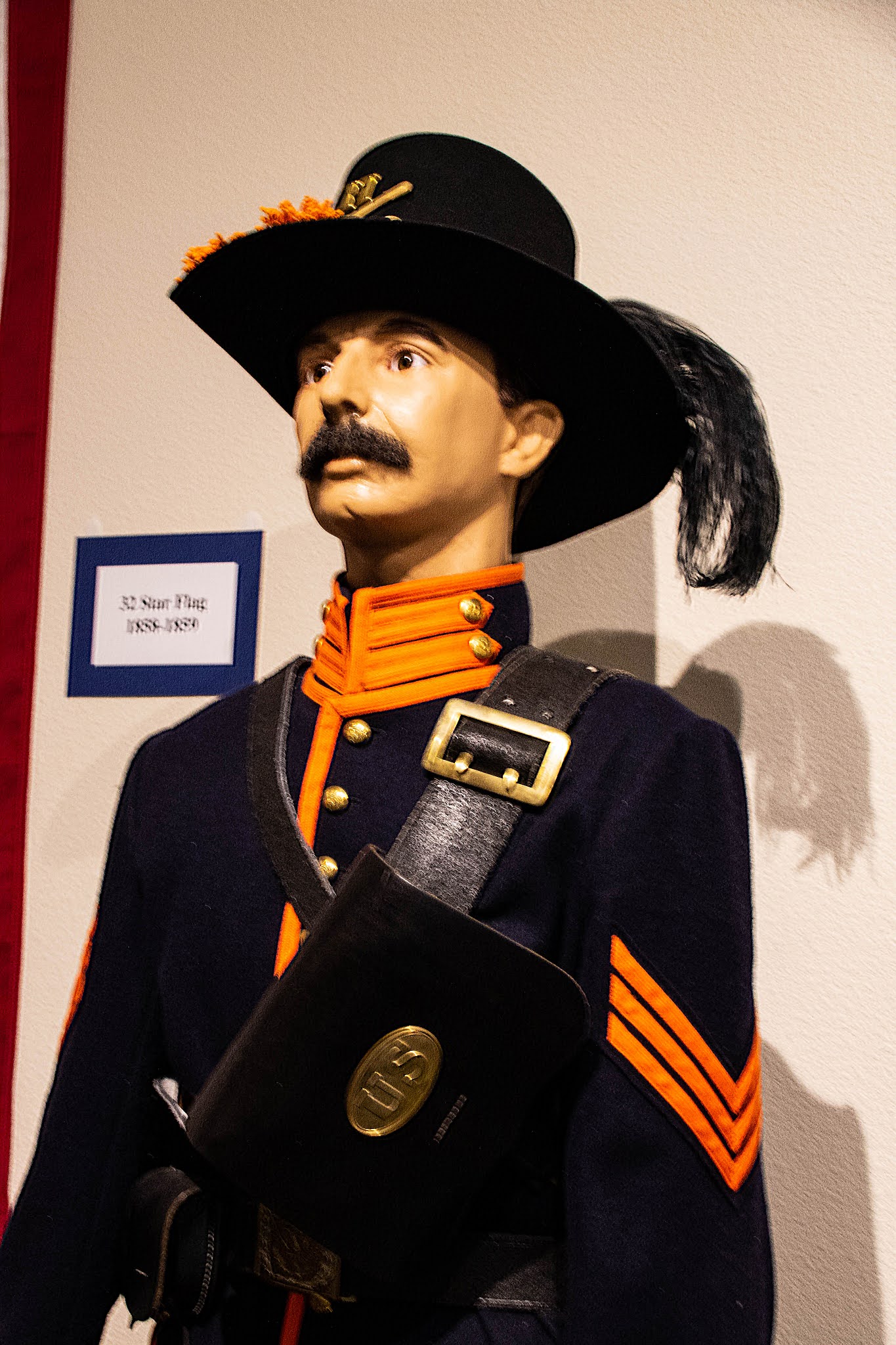
Our first stop was at the Fort Walla Walla Museum in Walla Walla, Washington. If you have kids or if you are a history buff, this is a must-stop. The old 19th-century military fort is located in a large park where there is a museum, gift store, and a tribute to WWI and WWII vets. Every year they have the Lewis and Clark Living History Weekend with demonstrations, storytelling, and reenactments.

 Fort Walla Walla Museum


Pink Yarrow and Torch Lily along the out buildings


Nez Perce National Historical Park Visitor Center

Image by National Park Service


The Nez Perce National Historical Park Visitor Center is located 3 miles north of Lapwai, ID, on U.S. Highway 95. It is open from 8:30 am to 4:00 pm. The center has Native American Exhibits of the Nez Perce featuring beadwork, saddles, attire, baskets, weaving, canoes, and the history and traditions of the Nez Perce. There is also a Nez Perce Photo Exhibit featuring 64 photos of chiefs, tribesmen, tribeswomen, and encampments. On the grounds is a garden area of the plants and vegetations used by the Nez Perce for medicinal and other purposes.


Blanket Flower and Sticky Geranium


Wyeth Buckwheat and Western Yarrow

Columbia River and Mt. Adams

Some shots on the way home of the Columbia River north of Yakima, Washington and just south outside of the Yakima Indian Reservation looking towards Mt. Adams near Goldendale, Washington.


Newest Colored Pencil Work In Progress

Moving along on this colored pencil piece of mountain goat. Using Prisma Colored Pencils, Irojiten Colored Pencils and Copic Colorless Blender Marker.  I have to have this commission piece done by the end of July. So I will be working a great deal on it this coming week.


Keep on Creating!

Have a blessed week!
www.mooresartgallery.com